
Why Maya Bay is Closed 2 Months per Year: The True Story

Updated: Jul 20
Many travelers planning a trip to Thailand are surprised to learn that its most famous beach completely shuts down for two months every year. Understanding the history behind this closure—and how it actually protects the island's fragile ecosystem—will help you plan your tropical getaway perfectly.

The Impact of Mass Tourism on Maya Bay
Maya Bay first captured global attention following the release of the 2000 film The Beach, starring Leonardo DiCaprio. With the later rise of social media, travel to this pristine stretch of sand exploded, leading to severe ecological strain. Massive crowds and unregulated boat traffic rapidly destroyed the vibrant coral reefs and severely disrupted local marine life.
Recognizing that mass tourism was actively dismantling this natural paradise, the Thai government and the National Park authorities took a definitive stand in 2018, closing Maya Bay to the public indefinitely. This drastic measure was essential to grant the bay's marine wildlife and natural habitats a much-needed period of uninterrupted recovery.
The Grand Reopening and Strict New Rules
On January 1, 2022, Maya Bay officially reopened its shores to visitors after more than three years of intensive conservation. To prevent repeating past mistakes and safeguard the bay against future long-term closures, the National Park introduced a strict, highly regulated set of ecological rules:
Capacity Limits: A maximum of 380 visitors are allowed inside Maya Bay at any single time, closely monitored by park rangers.
No Boat Entry: Speedboats and longtails are strictly prohibited from entering the main bay. All boats must park at the newly constructed floating pier at Loh Sama Bay on the backside of the island, followed by a short 5-minute boardwalk walk to the beach.
Swimming Restrictions: Visitors are no longer permitted to swim or step into the water. This rule ensures the newly grown corals and resident shark populations remain entirely undisturbed.
The Annual Closure: To ensure long-term preservation, the bay closes completely for two months every year, running from August 1st through September 30th, before reopening on October 1st.
📌 Important Note: The rest of the Phi Phi Islands remain completely open during August and September! The seasonal closure only applies to the beach at Maya Bay itself. All other iconic spots throughout the archipelago remain fully accessible.
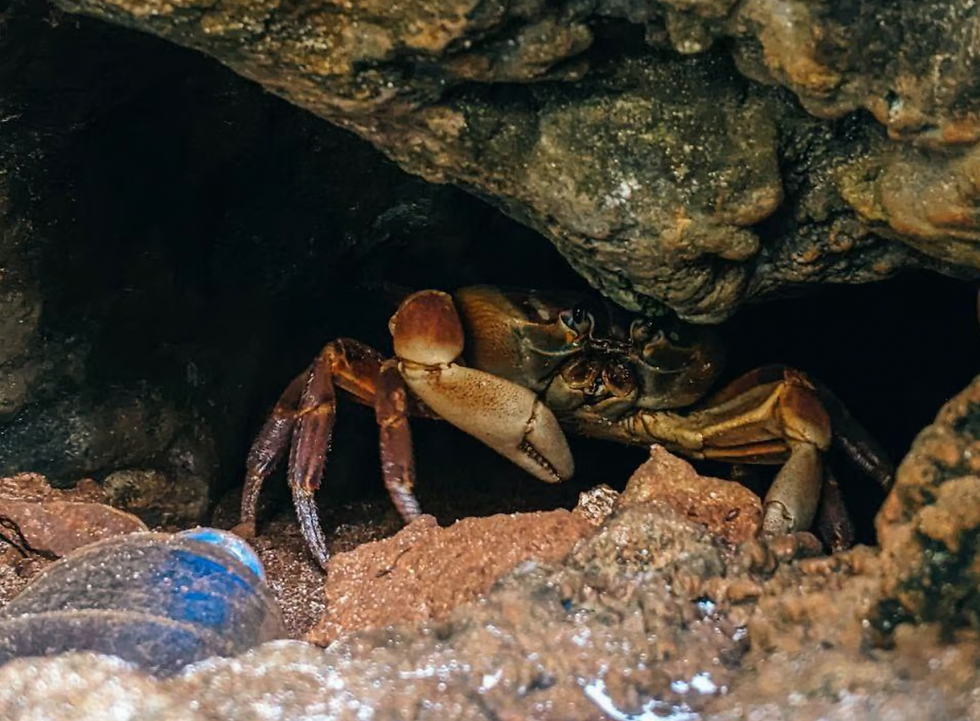
The Ecological Success of the Preservation Project when Maya Bay closed
The environmental results of this ongoing preservation strategy have been nothing short of phenomenal. Shortly after the initial reopening, researchers documented major signs of recovery, including the return of rare wildlife like the hairy-leg mountain crab.
Most notably, the shark population has experienced a massive resurgence. Prior to 2018, mass tourism had driven sharks completely out of the shallow waters. Today, more than 150 blacktip reef sharks call this protected nursery home. Visitors booking an early morning sunrise tour are frequently treated to the spectacular sight of dozens of these sharks swimming gracefully right along the shoreline.

Visiting Koh Phi Phi in August and September
If you are traveling during the annual closure months of August and September, you might wonder if a trip to the archipelago is still worth it. The answer is an absolute yes! The wonders of Koh Phi Phi extend far beyond a single beach.
The seven islands that make up this beautiful archipelago are packed with breathtaking alternatives waiting to be explored, including:
Pileh Lagoon: A stunning emerald inlet surrounded by towering limestone cliffs, perfect for swimming.
Nui Bay & Monkey Beach: Incredible spots offering world-class snorkeling, kayaking, and wild scenery.
Vibrant Marine Life: The surrounding reef systems remain open and thriving for divers and snorkelers alike.
Nearly all of our premier island excursions continue to run smoothly throughout August and September, bypassing the closed beach to show you the absolute best hidden gems the islands have to offer.


